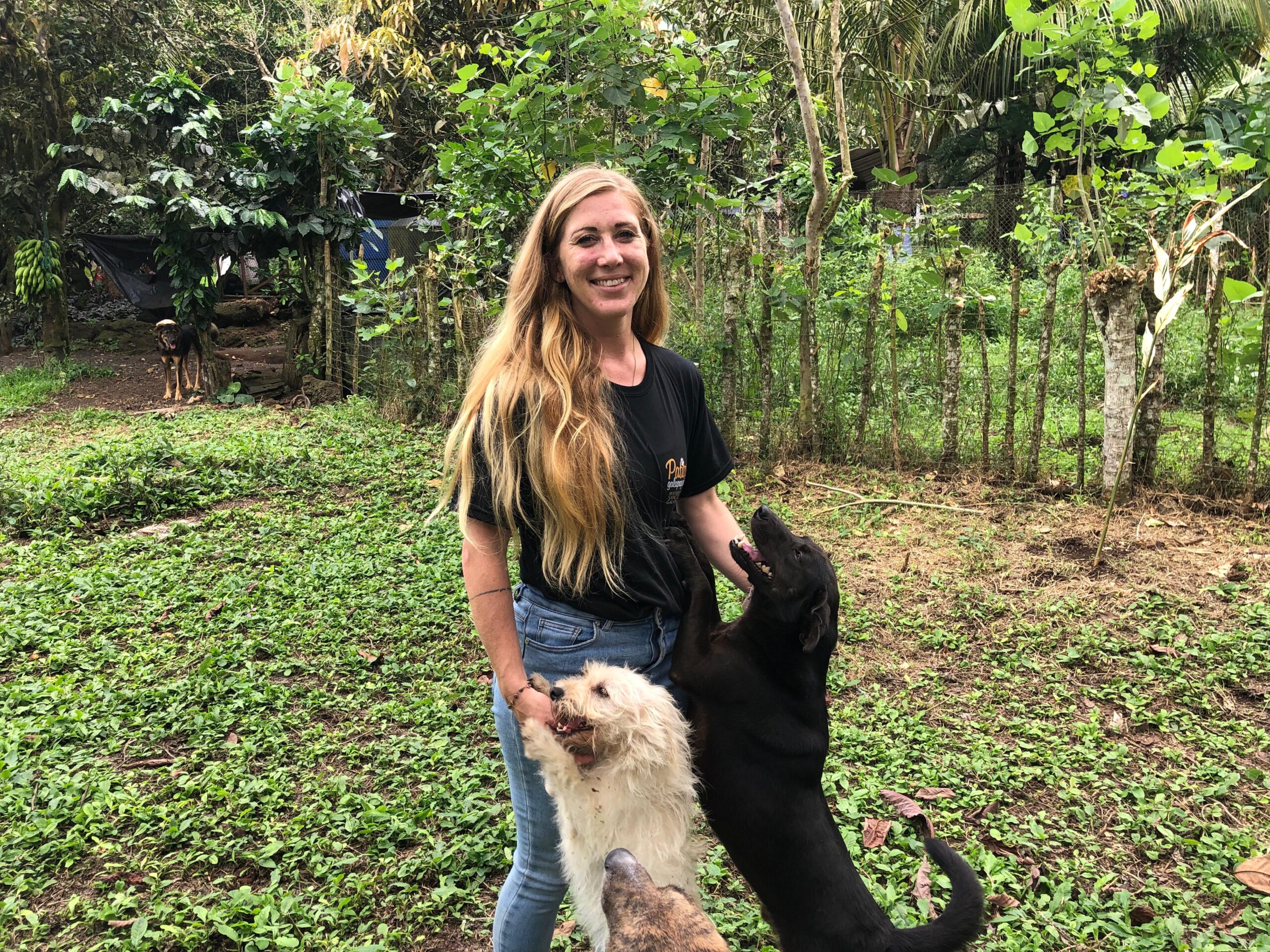


I’m Fátima Walthert, 36 years old, originally from Switzerland — but my heart found its true home in the Galápagos Islands. Since arriving in 2015, I’ve been deeply moved by the suffering of abandoned and abused animals here. As a lifelong animal lover, I felt called to act: offering them shelter, care, and a second chance in my humble home.
My mission is to raise awareness about sterilization and responsible pet ownership, so that no animal has to suffer on these unique islands. Every rescue story renews my commitment to building a future where humans and animals live together in harmony — with compassion, dignity, and love.
The sanctuary responds to a growing crisis in the Galápagos Islands: the overpopulation of abandoned and mistreated animals, especially dogs, without reproductive control. This situation not only causes suffering but also threatens the fragile ecosystem. Diseases like parvovirus and distemper affect pets and can spread to native wildlife.
Located in Santa Cruz, the private initiative rescues, rehabilitates, and finds homes for animals in need. Through sterilization, vaccination, and responsible adoption, it works to reduce the impact of urban fauna, protect biodiversity, and promote coexistence between communities and the environment.
The sanctuary is one of the few private initiatives in Galápagos dedicated to rescuing and protecting abandoned and mistreated animals — without government support. What makes it unique is its dual focus: caring for animals in need while also protecting the local ecosystem. By reducing the impact of urban fauna on wildlife, it helps preserve the islands’ biodiversity.
In addition, the project promotes community awareness around sterilization and responsible pet ownership, encouraging a balance between animal welfare and environmental conservation.
The sanctuary aims to:
- Rescue and rehabilitate abandoned or abused animals in the Galápagos Islands
- Reduce the population of street animals through sterilization
- Promote responsible adoption and long-term care
- Protect the local ecosystem by minimizing the impact of urban fauna
- Prevent the spread of diseases and reduce ecological risks
Expected results include:
- A significant reduction in the number of street animals, supported by sterilization and education campaigns
- More animals rehabilitated and adopted into responsible, loving homes
- Increased community awareness about responsible pet ownership and the importance of ecosystem conservation
Expected results:
– Significant exchange of the population of street animals on the island, thanks to sterilization and education campaigns.
-Mayor number of animals rehabilitated and adopted in responsible homes.
-Concience in the community about responsible tenure and the importance of ecosystem conservation
The sanctuary supports several UN Sustainable Development Goals through its integrated approach to animal welfare, public health, education, and ecosystem protection:
- SDG 3 – Good Health and Well-being: By reducing the number of street animals and preventing the spread of diseases such as parvovirus and distemper, the project improves public health and the well-being of both the community and its surroundings.
- SDG 4 – Quality Education: The sanctuary carries out educational activities focused on responsible pet ownership and the importance of sterilization. These efforts foster a culture of respect and care toward animals, encouraging long-term behavioral change in the community.
- SDG 15 – Life on Land: By controlling the population of introduced animals in Galápagos, the initiative helps protect local biodiversity and reduces pressure on fragile ecosystems, preventing urban fauna from negatively impacting native wildlife.
- SDG 17 – Partnerships for the Goals: The sanctuary collaborates with other shelters and local actors to build support networks that strengthen its social and ecological impact. This cooperative approach contributes to the sustainability and welfare of Galápagos.
Through this multidimensional work, the sanctuary promotes a more compassionate and balanced coexistence between humans, animals, and nature — helping the Galápagos Islands move closer to their sustainability goals.
| Phase | Activity | Buget |
|---|---|---|
| Phase 1. Adequacy of a reception and quarantine area | Enable a safe and functional space within the sanctuary that allows the first veterinary valuations, to provide basic emergency care, and guarantee the quarantine of The animals just rescued to prevent the contagion of diseases to the rest of the population of the shelter. | $5500,00 REQUIRE FUNDING (The value includes 10% of Overhead for the administration of the Co-Galapagos initiative) |